 +86-18958951029
 sales@wohuaplastic.com
Moisture Control and Drying Before Injection Molding: PA, PC and PBT Handling Guide
Why Some Plastics Pull Moisture From the Air
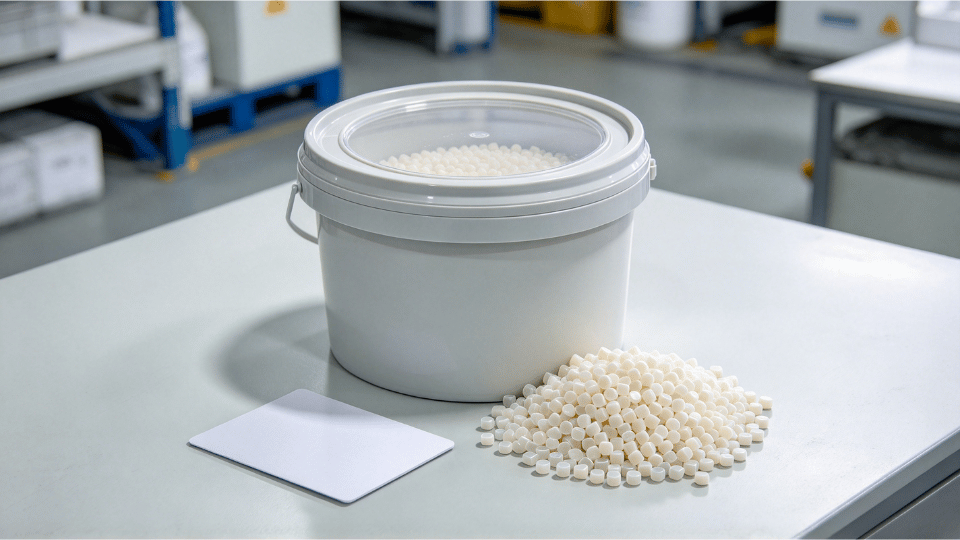
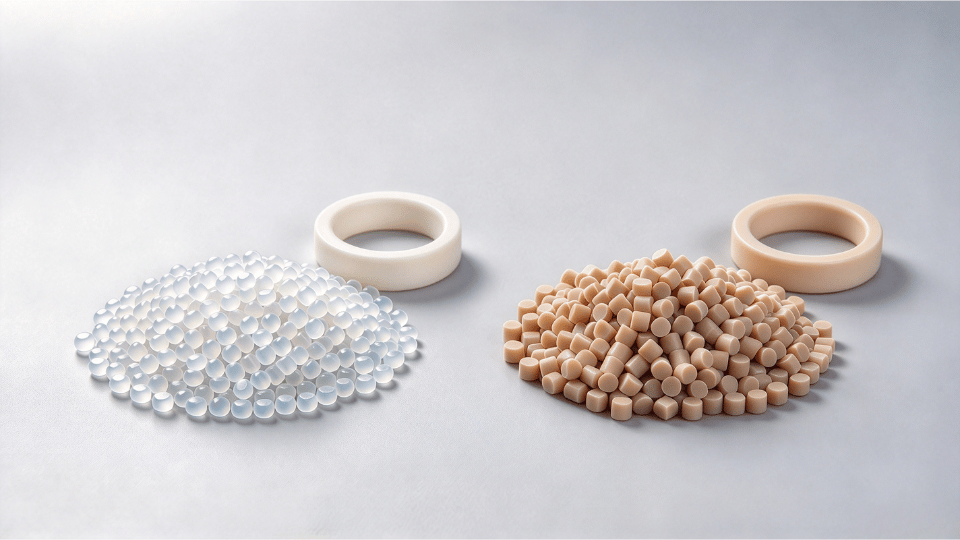
Not all plastic granules behave the same way toward water. Polyolefins such as PP and PE are
essentially non-hygroscopic: moisture sits on the surface of the pellets, so a short surface dry
is usually enough. Engineering plastics such as PA6, PA66, PC and PBT are different. They are
hygroscopic, meaning they absorb moisture into the bulk of the pellet over time.
That difference changes the whole handling routine. A bag of PA66 that sits open in a humid
workshop does not simply get wet on the outside. The moisture diffuses into the granule, and
no amount of quick surface drying will remove it. Reaching a stable, low moisture level requires
the right combination of temperature, time and dry-air dew point.
Because absorption is slow and storage conditions matter, the moisture state of a material is not
fixed at delivery. It depends on how the granules were stored, how long the bag was open, and
the climate of the workshop. This is why a drying routine cannot be copied from a datasheet alone;
it has to match the actual material condition before each run.
What Moisture Does Inside the Barrel
When a hygroscopic granule still holds too much moisture, the problem starts before the part is
fully formed. Inside the heated barrel, water reacts with the polymer chain — a process called
hydrolysis — and the molecular weight drops. The result is not only visible defects but a quiet
loss of mechanical performance.
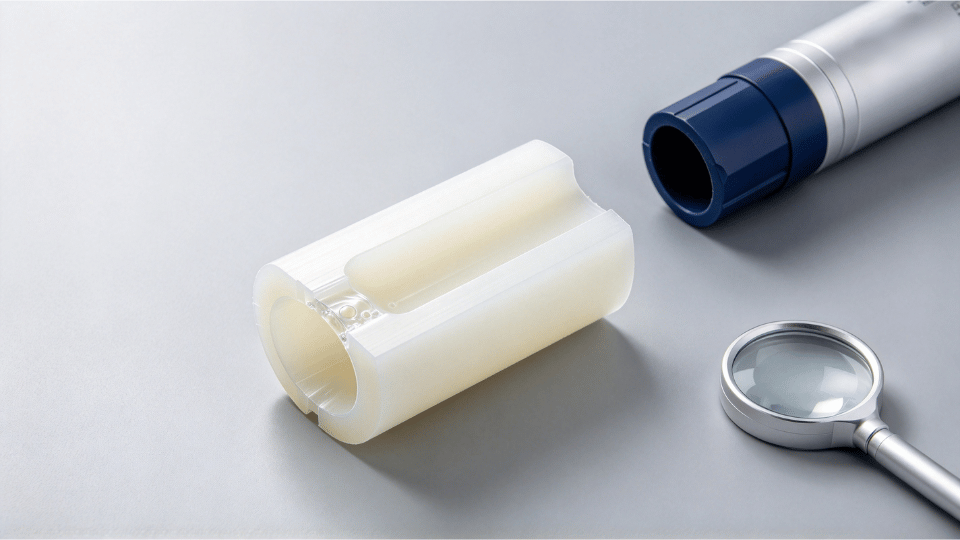
The visible signs usually appear first. Splay shows up as silver streaks or a cloudy surface around
the gate. Bubbles or voids can form inside the part. In severe cases the melt becomes frothy and
the shot is unstable. But the more serious effect is often invisible: a part molded from wet material
can look acceptable and still fail earlier in impact, flex or fatigue than a part made from correctly
dried granules.
This is why moisture control is a quality topic, not just a housekeeping one. The polymer's strength,
toughness and long-term reliability depend on the chains staying intact, and hydrolysis attacks exactly
those chains. A material that meets every value on the datasheet can still underperform if it was molded wet.
Reading the Drying Instruction Correctly
A datasheet drying instruction is a starting point, not a guarantee. It usually gives three numbers:
drying temperature, drying time and sometimes a recommended dew point. Each number has a
purpose, and using only one of them is a common mistake.
The drying temperature has to be high enough to release moisture but low enough to avoid softening
or sticking the granules. The drying time has to be long enough for moisture to travel out from the
center of the pellet, not just the surface. The dew point of the drying air is what actually carries the
moisture away; warm but humid air will not dry a hygroscopic material no matter how long it runs.
The instruction also assumes a specific starting condition. A material stored in a sealed, dry bag may
need less drying than the same grade left in an open hopper overnight. When the storage history is
unknown, it is safer to treat the granule as moisture-loaded and dry to the recommended condition,
then confirm the result with a moisture reading or a trial shot.

Drying in Practice: Equipment and Verification
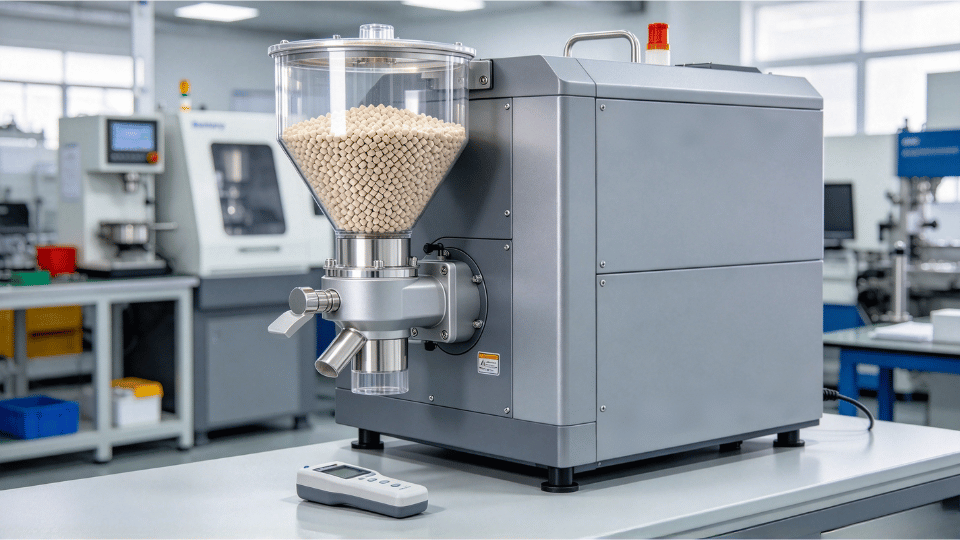
Good drying comes down to the right equipment set up correctly. A desiccant or dehumidifying
dryer supplies dry air at a controlled dew point, which is what hygroscopic materials need. A simple
hot-air oven may raise the temperature without lowering the moisture in the air, so it can look like
drying while leaving the granules too wet.
Verification is the step many workshops skip. A moisture analyzer gives a direct reading, but even
a short trial shot can reveal a problem: splay at the gate, bubbles or a rough surface are visible clues
that the material is not dry enough. Running a trial before a full production order prevents a whole
batch from being molded from wet granules.
Conditions also need to be recorded and repeated. Once a drying recipe is proven for a grade —
temperature, time and dew point — it should be written into the setup sheet. Relying on memory
invites drift, and drift in drying is one of the hardest quality problems to trace later.
Handling, Storage and Interruption
Drying is not a one-time event. Once dried, a hygroscopic material can start picking up moisture again
the moment it is exposed to humid air. Short interruptions are common on the shop floor, so it helps to plan for them.
Keep granules in sealed, dry containers between drying and use. If production pauses, avoid leaving dried
material in an open hopper for long periods, especially in a humid season. Regrind deserves extra attention:
it has more surface area and more exposure history than virgin pellets, so its moisture state is harder to assume
and should be checked rather than guessed.
Finally, keep the drying plan linked to the part record. If a defect appears, knowing whether the material was dried
to the agreed recipe is one of the first questions to answer. A simple, repeated drying routine protects part performance
far more effectively than reacting to splay after the parts are out the door.