
 +86-18958951029
 sales@wohuaplastic.com
Commodity Plastics: Definition, Types, and Key Applications
At Wohua Plastic, we understand that selecting the right material begins with the basics. While engineering plastics dominate high-performance scenarios, commodity plastics form the backbone of everyday manufacturing due to their cost-effectiveness, ease of processing, and versatile properties.
This article provides a clear overview of what commodity plastics are, their main types, and where they are commonly applied.
1. What Are Commodity Plastics?
Commodity plastics (also known as standard or bulk plastics) are a group of synthetic polymers produced in large volumes at low cost. They offer adequate mechanical properties for general-purpose applications but are not designed to withstand extreme temperatures, heavy loads, or aggressive chemical environments.
Key characteristics:
Low production cost
High availability
Easy to mold and extrude
Suitable for disposable or short-lifecycle products
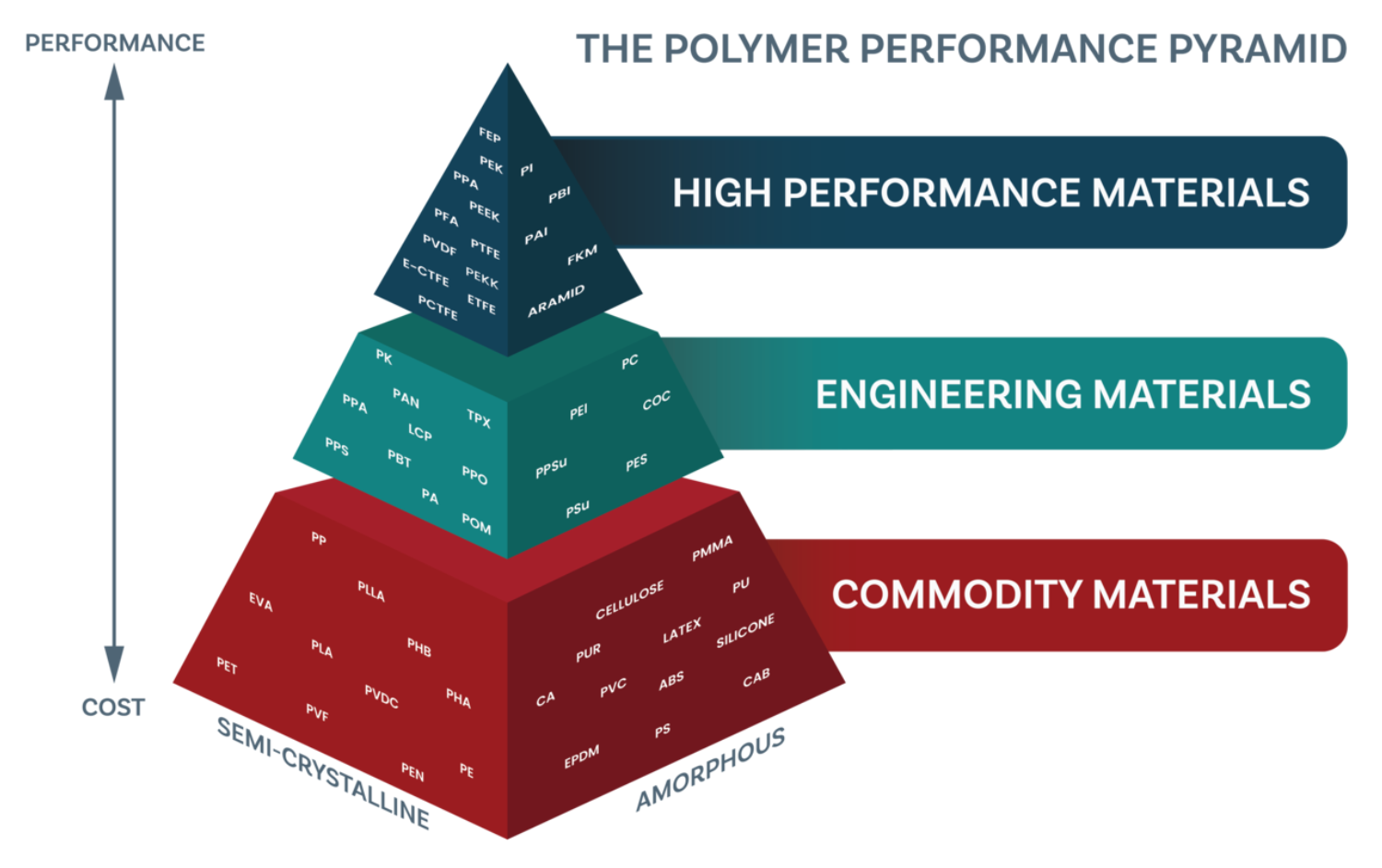
2. Main Types of Commodity Plastics
The five most common commodity plastics account for the majority of global plastic consumption. Below is their classification and typical properties.
| Material | Key Properties | Typical Applications |
|---|---|---|
| PE | Flexible, chemically resistant, low-cost | Plastic bags, bottles, containers, films |
| PP | Lightweight, high fatigue resistance, heat-resistant up to ~120°C | Automotive parts, food containers, living hinges |
| PVC | Rigid or flexible, flame-retardant, durable | Pipes, cable insulation, window frames |
| PS | Rigid, brittle, transparent or foamable | Disposable cups, packaging foam, CD cases |
| PET | Clear, strong, gas barrier properties | Beverage bottles, food trays, polyester fibers |
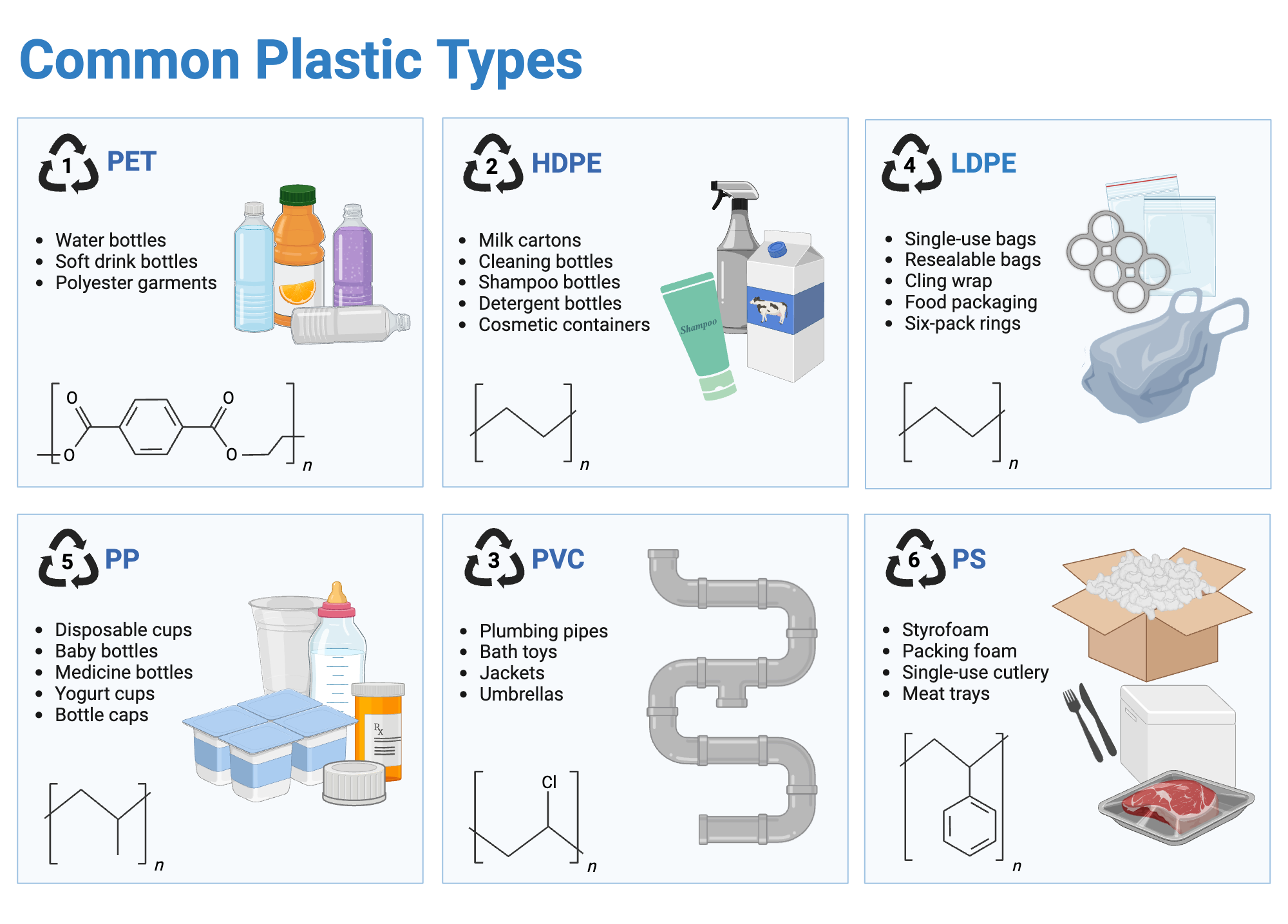
3. Detailed Applications by Industry
Packaging (Largest Market Segment)
PE films for shrink wrap and grocery bags.
PET bottles for water, carbonated drinks, and cooking oil.
PS foam for protective packaging and takeaway food containers.
Construction & Building
PVC pipes for drainage, electrical conduits, and siding.
Rigid PVC for window profiles and flooring.
Consumer Goods
PP for microwave-safe containers, straws, and bottle caps.
PS for disposable cutlery and yoghurt cups.
Automotive (Non-Structural Parts)
PP for interior trim, battery cases, and air ducts.
PVC for underbody coatings and dashboard skins.
4. Commodity Plastics vs. Engineering Plastics
Understanding the difference helps in material selection. The table below summarizes the key distinctions.
| Property | Commodity Plastics | Engineering Plastics |
|---|---|---|
| Cost | Low | Moderate to High |
| Mechanical strength | Adequate | High |
| Heat resistance | Low to moderate (<100°C) | High (100–260°C) |
| Typical lifespan | Months to a few years | Years to decades |
| Common examples | PE, PP, PVC, PS, PET | PA, POM, PC, PBT, PEEK |
5. Limitations and Considerations
While commodity plastics are economical and widely used, they have limitations:
Low heat deflection temperature — may deform under hot water or sunlight exposure.
Poor UV resistance (except certain grades of PVC and PP with additives).
Limited load-bearing capacity — not suitable for structural or high-wear components.
Environmental concerns — recycling infrastructure varies by region, though many commodity plastics are technically recyclable.
At Wohua Plastic, we always evaluate the operating environment before recommending a commodity plastic. For more demanding conditions, we guide customers toward engineering-grade alternatives.
Conclusion
Commodity plastics—PE, PP, PVC, PS, and PET—are essential materials in modern manufacturing. Their low cost, processability, and adequate performance make them ideal for packaging, construction, consumer goods, and automotive applications. However, understanding their limitations is equally important to avoid product failure.
Whether you need a cost-effective solution or a high-performance material, Wohua Plastic offers expert guidance and reliable supply.
Need help selecting the right plastic for your product?
Contact Wohua Plastic to discuss your requirements.