
 +86-18958951029
 sales@wohuaplastic.com
Glass-Fiber-Reinforced Plastics RFQ Guide: What Buyers Should Specify Beyond GF Percentage
Why GF Percentage Is Only the Starting Point
Glass-fiber-reinforced plastics are widely considered when a component needs higher stiffness, greater
load-bearing capability, or improved dimensional control compared with an unreinforced material. A buyer
may begin an inquiry with a short description such as “PA66 GF30” or “30% glass-filled PP.” That description
is helpful, but it does not define the complete requirement.
The same nominal glass-fiber percentage can be used in different base polymers and different compound
formulations. These materials may behave differently during molding and in the finished application. Resin type,
reinforcement system, impact modification, flame-retardant requirements, color, moisture exposure, part geometry,
and processing conditions all influence the result.
A useful RFQ therefore connects the material description with the part, its working environment, and the performance expected from it.
1. Identify the Base Resin
The first step is to state the required base polymer or explain the application if the polymer has not yet been selected.
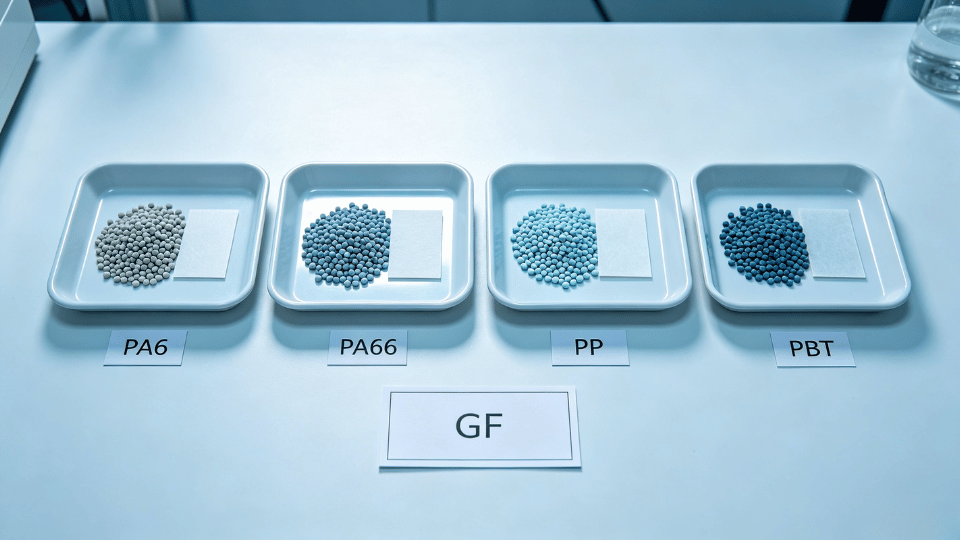
Common reinforced systems may use PA6, PA66, PP, PBT, or other engineering plastics.
The base resin affects properties and processing considerations such as:
- Moisture absorption and conditioning
- Heat performance
- Toughness and impact behavior
- Chemical resistance
- Electrical characteristics
- Processing temperature and drying needs
- Surface appearance and color options
“30% GF” without the polymer name can refer to very different material families. If the buyer is considering a substitution,
both the existing material and the reason for changing it should be included in the inquiry.
2. State the Performance Target, Not Only the Formulation
A formulation description is not a substitute for a performance requirement. Buyers should explain what the finished part must do.
Relevant targets may include stiffness, tensile performance, impact resistance, dimensional stability, creep behavior, wear resistance,
heat exposure, or electrical requirements. The priority should also be clear. For example, increasing stiffness may not be the only
objective if the part also needs impact resistance or a controlled surface appearance.
When available, include the approved drawing, specification sheet, existing material reference, or agreed test method. Technical
values should be compared on a consistent basis and confirmed against current supplier documentation. The final decision should
also consider actual part testing, because a test specimen and a molded component do not always behave in the same way.
3. Describe the Real Working Environment
The service environment can change the material direction even when the basic mechanical requirement looks similar.
Useful details include:
- Continuous and peak working temperature
- Static or repeated load
- Indoor or outdoor use
- Moisture or water exposure
- Contact with oil, cleaners, fuels, or other chemicals
- Expected service life
- Electrical or insulation conditions
- Assembly with metal or other plastic components
For polyamide-based materials, moisture conditions deserve particular attention because they can influence dimensions
and mechanical behavior. For outdoor parts, UV exposure may need to be discussed. If the application is safety-related or
regulated, the buyer should clearly state the applicable document, approval, or testing requirement rather than relying on a
general material name.
4. Explain Part Geometry and Processing Conditions
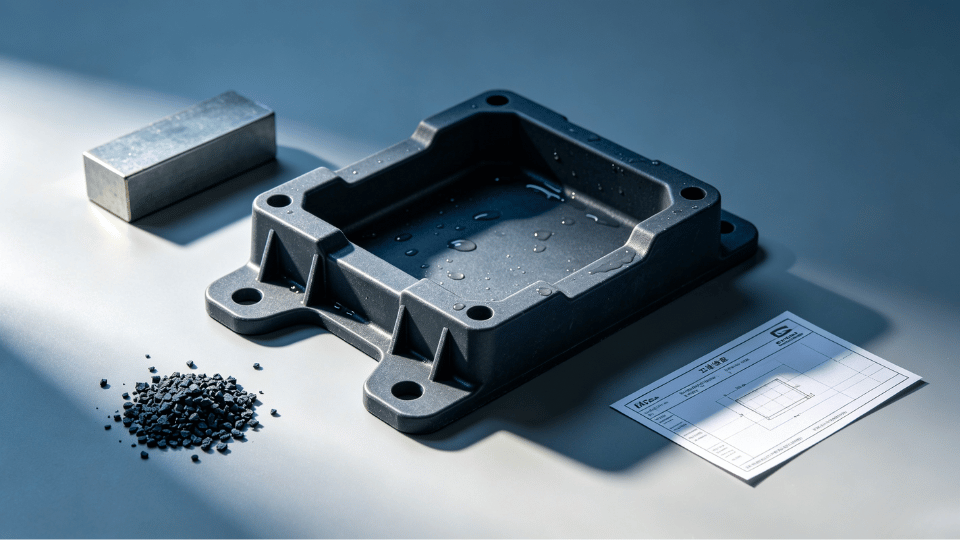
Glass fibers tend to align with material flow during molding. This means the same compound can show different shrinkage or mechanical behavior
in different directions. Part geometry and tooling therefore matter.
The supplier should receive enough information to understand:
- Wall thickness and thickness transitions
- Ribs, bosses, holes, and long flow paths
- Gate location or known filling direction
- Critical dimensions and tolerance areas
- Visible surfaces and appearance expectations
- Molding method and available equipment
- Whether the project is a new tool, an existing tool, or a material substitution

Fiber orientation may contribute to warpage or surface differences, especially in parts with uneven walls or strong directional flow. A material
change should therefore be reviewed together with the mold and process rather than treated as a simple one-line replacement.
5. List Flame-Retardant, Impact, UV, and Color Requirements
Modified plastics often combine several requirements in one grade. A reinforced material may also need flame retardancy, impact modification,
UV resistance, or a specific color.
Each additional requirement can affect material selection and should be stated early. For flame-retardant projects, include the required rating,
thickness, color, and any documentation the customer expects. Do not assume that a general statement such as “flame retardant” defines the
complete need.
For colored reinforced materials, appearance expectations should be realistic and agreed with the supplier. Glass fibers, additives, surface
texture, and processing conditions may affect the final appearance. A reference sample or agreed color standard can help reduce subjective
differences.
6. Clarify Validation and Quality Requirements
Before a larger order, both parties should agree on how the material or finished part will be checked. Depending on the project, validation
may involve supplier documentation, incoming inspection, trial molding, dimensional checks, assembly testing, appearance review, or
functional testing under expected conditions.
An RFQ should state whether the buyer needs:
- A technical data sheet or other product documentation
- A sample quantity for testing
- Trial molding before batch supply
- Color or appearance approval
- Dimensional or assembly checks
- Specific packaging and label information
- Batch identification requirements
Requirements should be based on the actual project and available supporting documents. Certifications, approvals, and performance claims
should never be assumed from the material family alone.
7. Include Commercial and Delivery Information
Technical clarity improves the quotation, but commercial details are also needed to propose a practical supply plan.
Provide the sample quantity, first order quantity, estimated recurring demand, required delivery date, destination, packaging
preference, and label requirements. If the project includes a custom plastic part rather than raw material only, include the drawing
or sample, tooling status, surface requirements, inspection points, and assembly conditions.
Clear quantities help the supplier distinguish between sample evaluation, small-batch trial, and regular production. Clear
destination and packaging information also reduce later changes to logistics and labeling.
A Practical RFQ Checklist
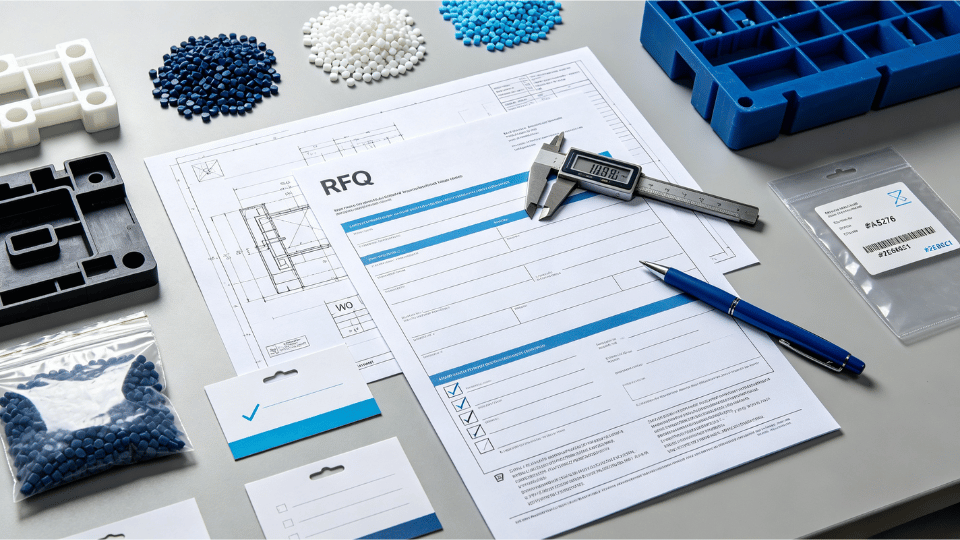
Before requesting a quotation for a glass-fiber-reinforced plastic, prepare the following information:
- Base resin or current material reference
- Target glass-fiber content, if already specified
- Part name, drawing, sample, or clear photographs
- Application and working environment
- Key mechanical and dimensional requirements
- Temperature, moisture, chemical, and outdoor exposure
- Flame-retardant, impact, UV, electrical, or color requirements
- Processing method and existing tooling information
- Critical dimensions and visible surfaces
- Required documents and validation method
- Sample, trial, and production quantities
- Packaging, labeling, delivery date, and destination
The goal is not to make every buyer a polymer engineer. It is to give the supplier enough context to compare suitable options, identify
missing information, and reduce avoidable assumptions.
Wenzhou Wohua Plastic Co., Ltd. supplies general-purpose plastics, engineering plastics, and modified plastics, including
relevant KINGFA and HIGHSUN product lines represented in our materials. We also support custom plastic products based
on customer drawings or samples, from material discussion and sampling to trial production and delivery.
For an RFQ, send the drawing or sample information, application conditions, performance priorities, color, quantity, and
destination. Our team can use these details to begin a practical technical and commercial discussion.