
 +86-18958951029
 sales@wohuaplastic.com
PA66 (Nylon 66): Properties, Types, and Industrial Applications
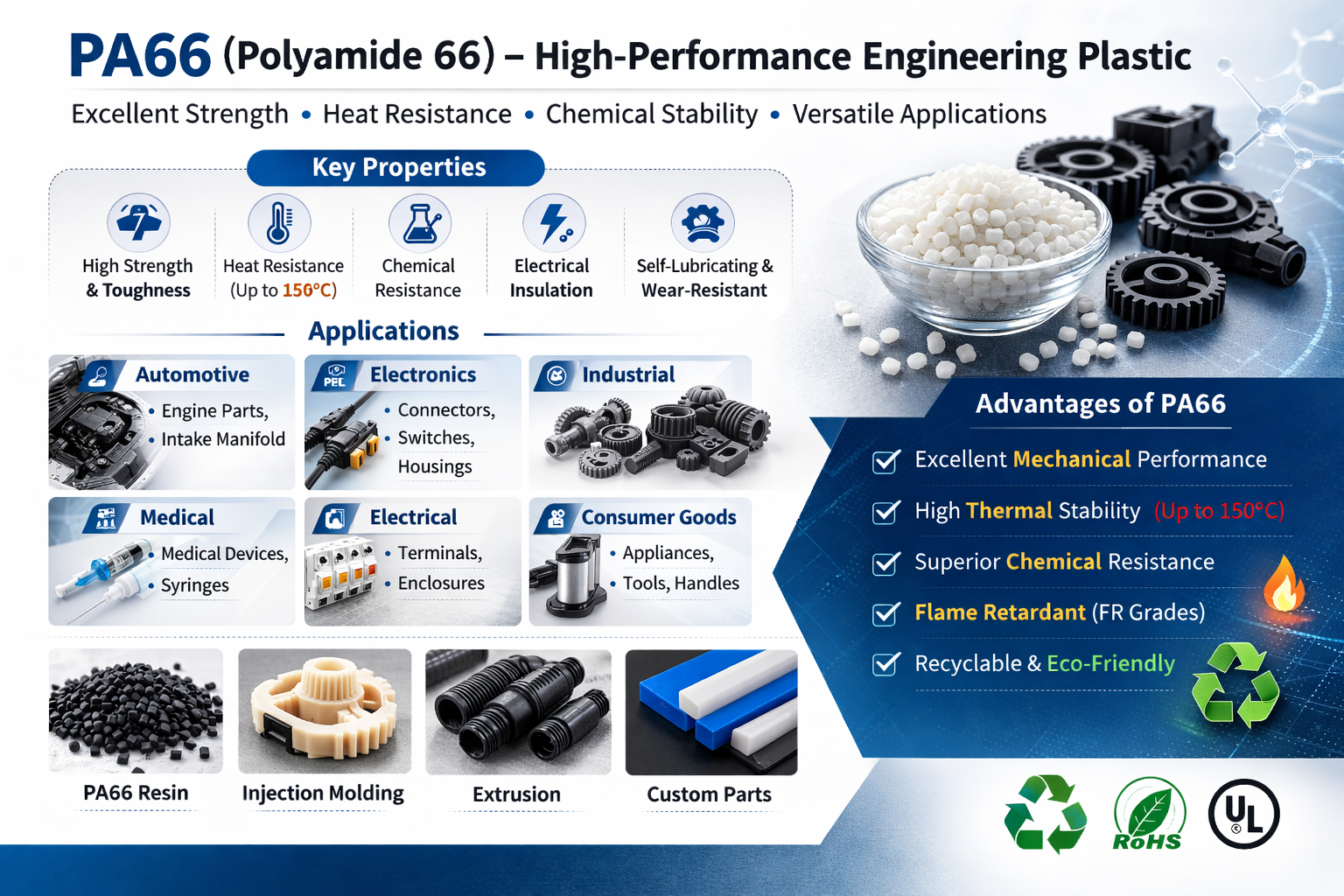
At Wohua Plastic, PA66 (Polyamide 66) is one of our most widely specified engineering thermoplastics. Known for its high mechanical strength, excellent heat resistance, and good chemical stability, PA66 is a go-to material for demanding applications in automotive, electrical, and industrial sectors.
This article provides a clear overview of what PA66 is, how it differs from PA6, its main modified grades, and where it is commonly applied.
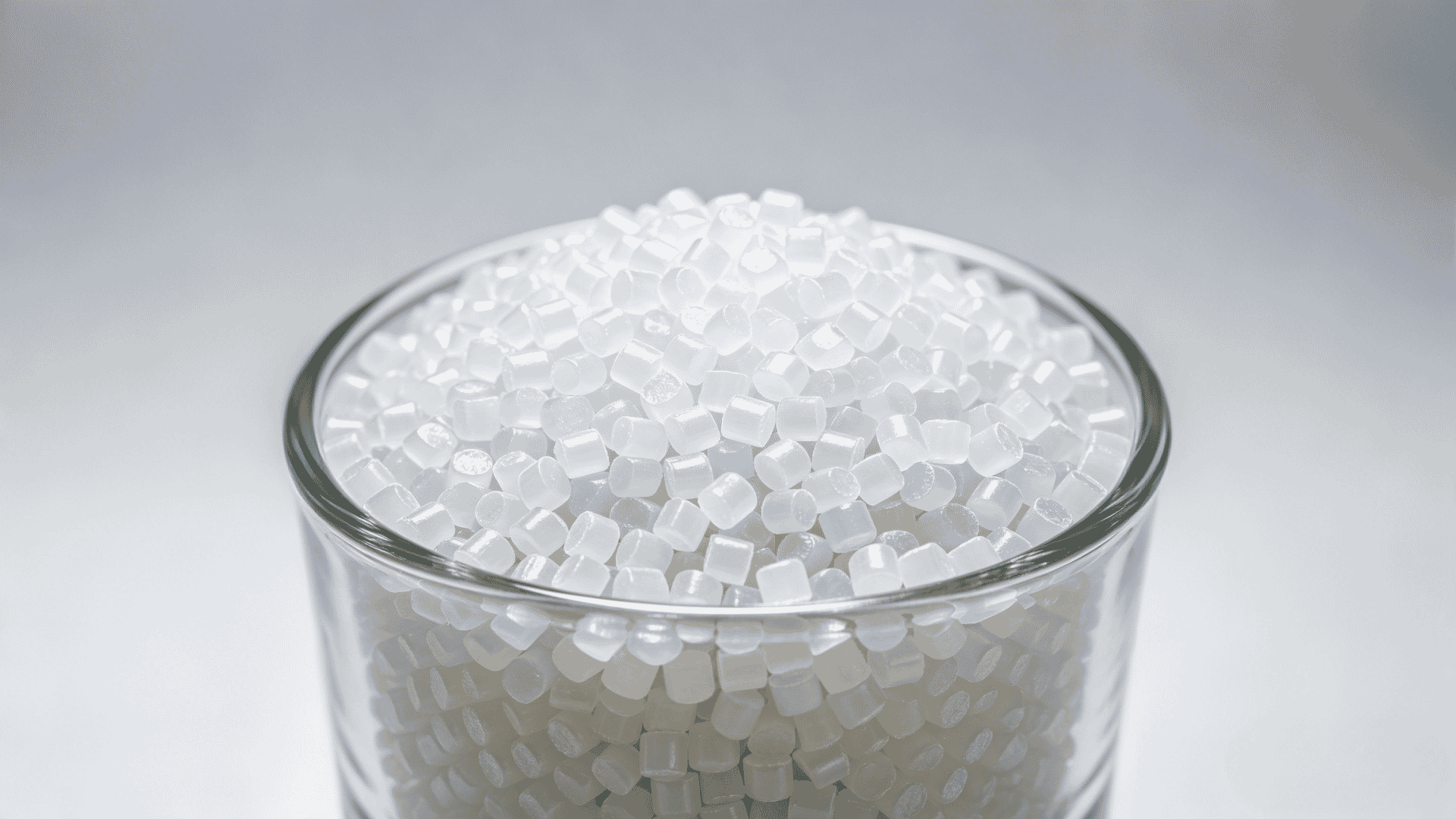
1. What Is PA66?
PA66 is a semi-crystalline engineering plastic produced by polycondensation of hexamethylenediamine and adipic acid. It offers:
Higher mechanical strength than PA6
Superior heat resistance (melting point ~260°C / 500°F)
Good stiffness and creep resistance
Excellent wear and abrasion resistance
Good chemical resistance to oils, fuels, and solvents
Key limitation: PA66 absorbs moisture, which can affect dimensional stability and impact strength. However, this is well understood and can be managed through proper design, conditioning, or using stabilized grades.
2. PA66 vs PA6: Key Differences
PA66 and PA6 are often compared. The table below highlights their primary differences.
| Property | PA66 (Nylon 66) | PA6 (Nylon 6) |
|---|---|---|
| Melting point | ~260°C | ~220°C |
| Heat deflection temperature (HDT) | Higher | Moderate |
| Tensile strength | Higher | Moderate |
| Stiffness | Higher | Moderate |
| Creep resistance | Better | Good |
| Moisture absorption rate | Moderate | Higher |
| Dimensional stability | Better (after conditioning) | Good |
| Processing temperature | Higher (280–310°C) | Lower (240–270°C) |
| Typical cost | Slightly higher | Slightly lower |
When to choose PA66:
Higher continuous operating temperature required
Higher mechanical load or creep resistance needed
Applications with exposure to oils and fuels
When to choose PA6:
Lower cost priority
Easier processing for complex parts
Less demanding thermal environment
3. Main Types of PA66
Like PA6, PA66 is available in multiple modified grades to suit specific application requirements.
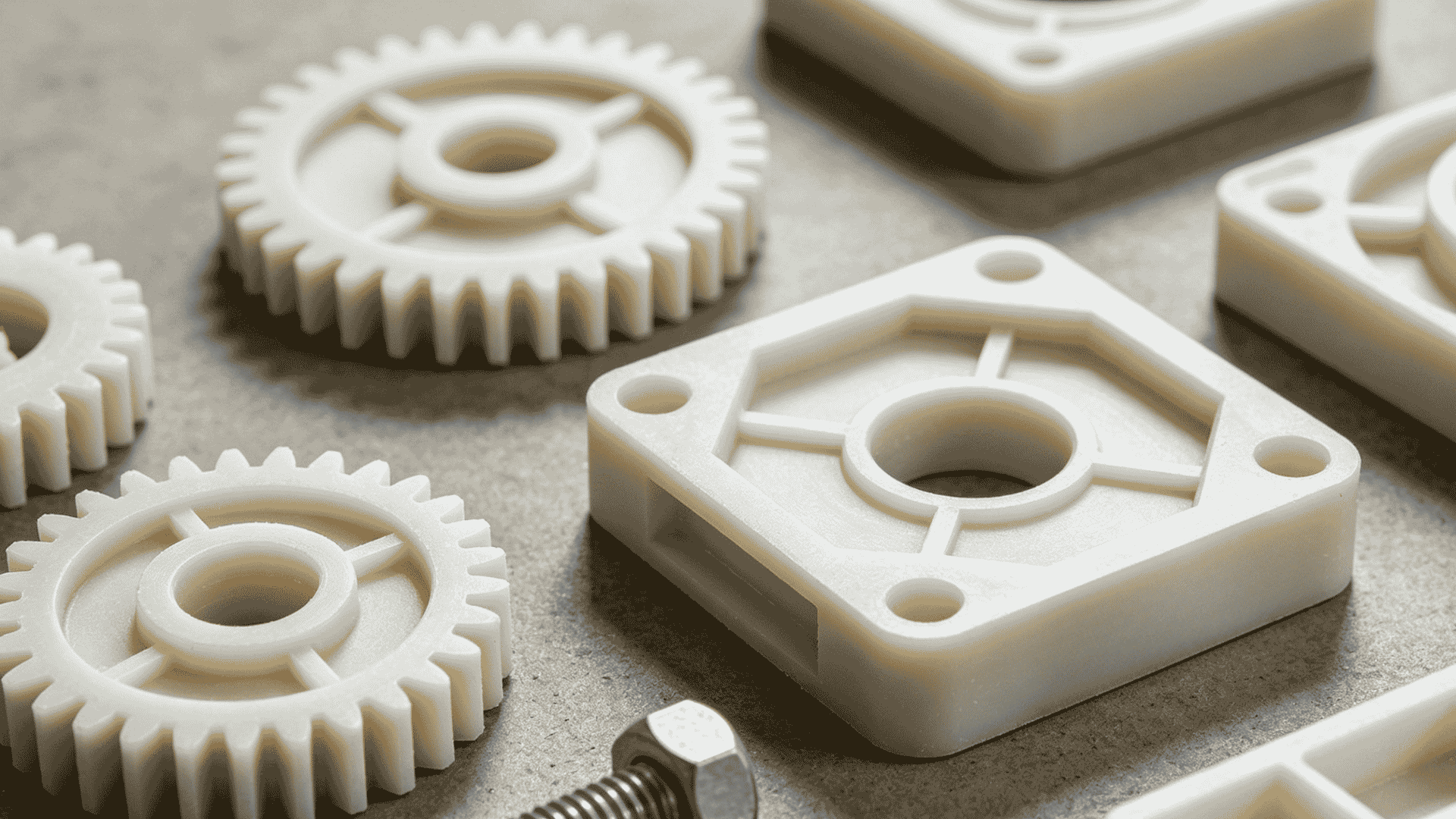
3.1 Unreinforced PA66 (Neat PA66)
The base material without fillers. Offers a balanced combination of strength, toughness, and processability.
| Grade | Key Properties | Typical Applications |
|---|---|---|
| PA66 General Purpose | High strength, good toughness | Gears, bearings, housings, fasteners |
| PA66 High Viscosity | Higher molecular weight, better for extrusion | Films, monofilaments, tubing |
3.2 Glass-Fiber Reinforced PA66 (PA66-GF)
Glass fibers are added to significantly increase stiffness, strength, and heat deflection temperature.
| Glass Fiber Content | Key Properties | Typical Applications |
|---|---|---|
| PA66-GF15 (15% GF) | Moderate increase in strength and stiffness | Brackets, covers |
| PA66-GF25 (25% GF) | Good balance of strength and processability | Automotive structural parts |
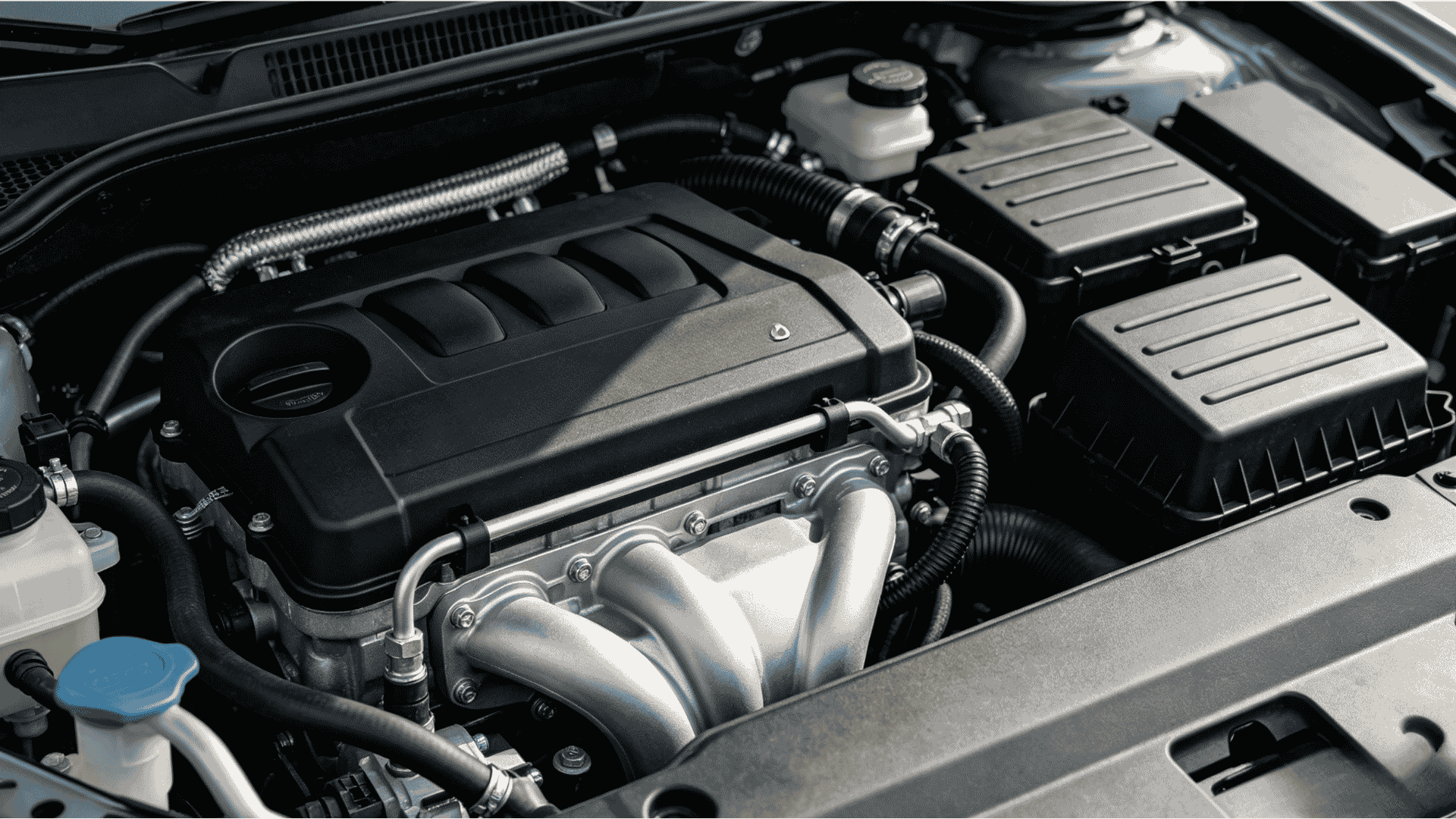
| PA66-GF30 (30% GF) | Most common grade; high strength, excellent dimensional stability | Engine covers, fan blades, intake manifolds |
| PA66-GF50 (50% GF) | Maximum stiffness and heat resistance | High-load industrial components |
Trade-off: Reduced impact strength and surface finish compared to unreinforced PA66.
3.3 Heat-Stabilized PA66 (PA66-HS)
Heat stabilizers are added to prevent thermal degradation during long-term exposure to elevated temperatures (typically 150–180°C).
| Grade | Key Properties | Typical Applications |
|---|---|---|
| PA66 Heat Stabilized | Retains mechanical properties under continuous heat | Under-hood automotive parts (engine covers, thermostat housings) |
3.4 Impact-Modified PA66 (PA66-IM)
Tougheners are added to improve impact resistance, especially in dry or low-temperature conditions.
| Grade | Key Properties | Typical Applications |
|---|---|---|
| PA66 Impact Modified | High toughness, good low-temperature performance | Clips, fasteners, protective housings |
3.5 Lubricated / Wear-Resistant PA66 (PA66-WR)
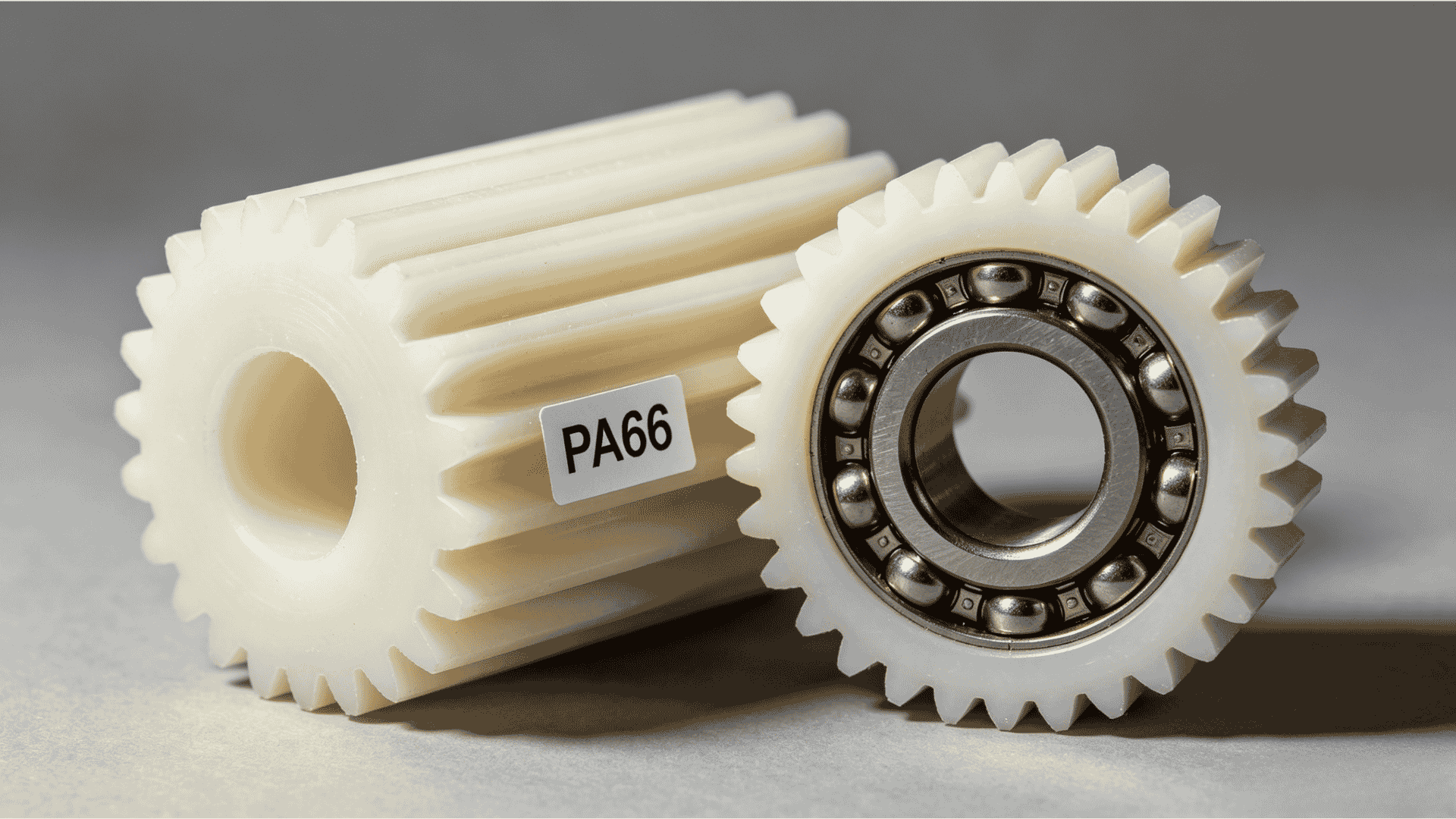
Internal lubricants (PTFE, MoS₂, silicone, or graphite) are added to reduce friction and improve wear resistance.
| Additive | Key Properties | Typical Applications |
|---|---|---|
| PA66 + MoS₂ | Reduced friction, improved wear resistance | Gears, bushings, sliding components |
| PA66 + PTFE | Very low coefficient of friction | High-speed bearings, moving parts |
| PA66 + Graphite | Good wear resistance, electrically conductive | Anti-static applications |
3.6 Flame-Retardant PA66 (PA66-FR)
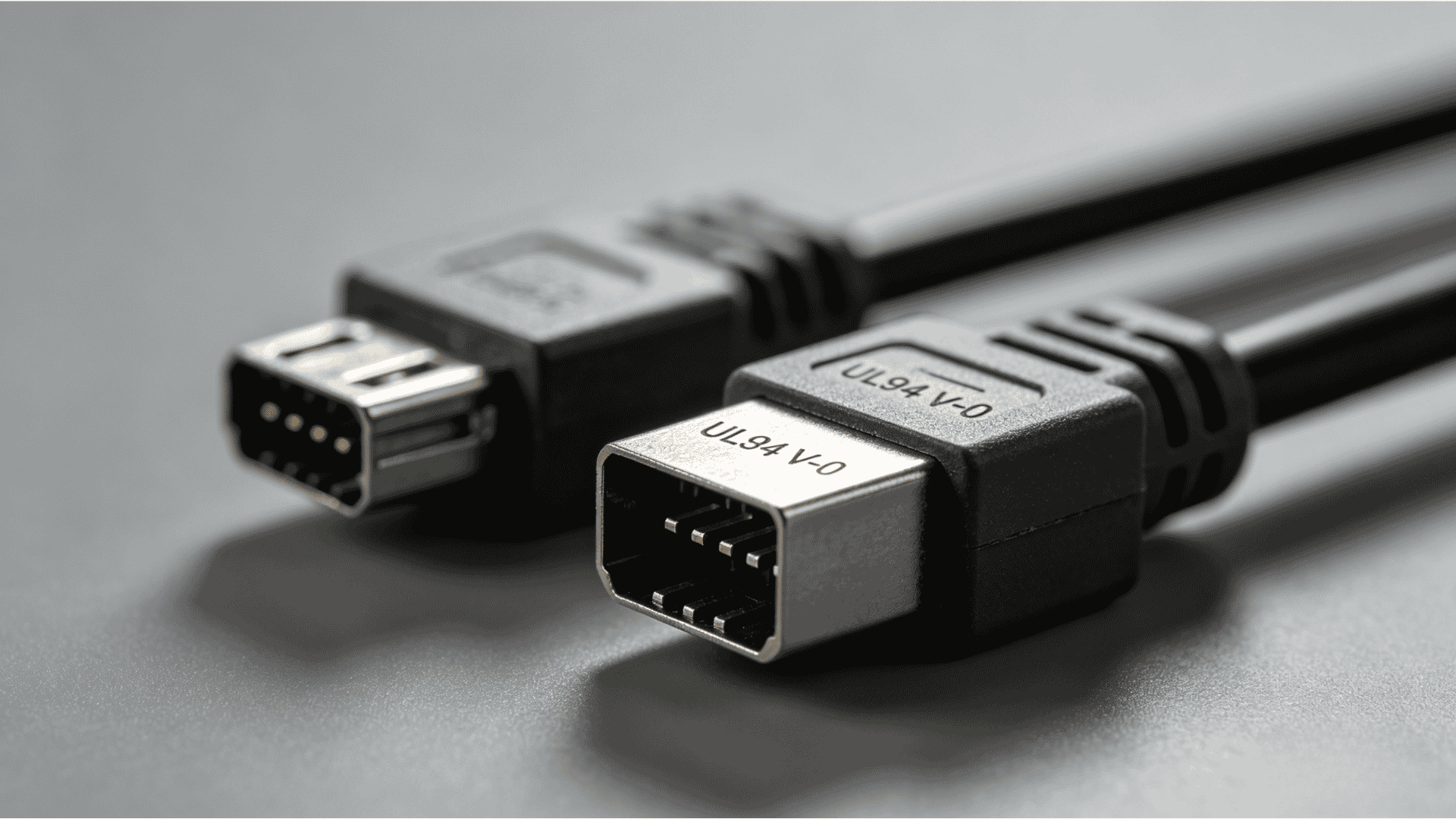
Flame retardants are added to meet UL94 V-0 or V-2 ratings for electrical and electronic applications.
| Grade | Key Properties | Typical Applications |
|---|---|---|
| PA66 V-0 (Halogenated) | Excellent flame resistance | Connectors, relays, circuit breakers |
| PA66 V-0 (Halogen-Free) | Environmentally friendly, low smoke | Green electronics, public infrastructure |
3.7 UV-Stabilized PA66 (PA66-UV)
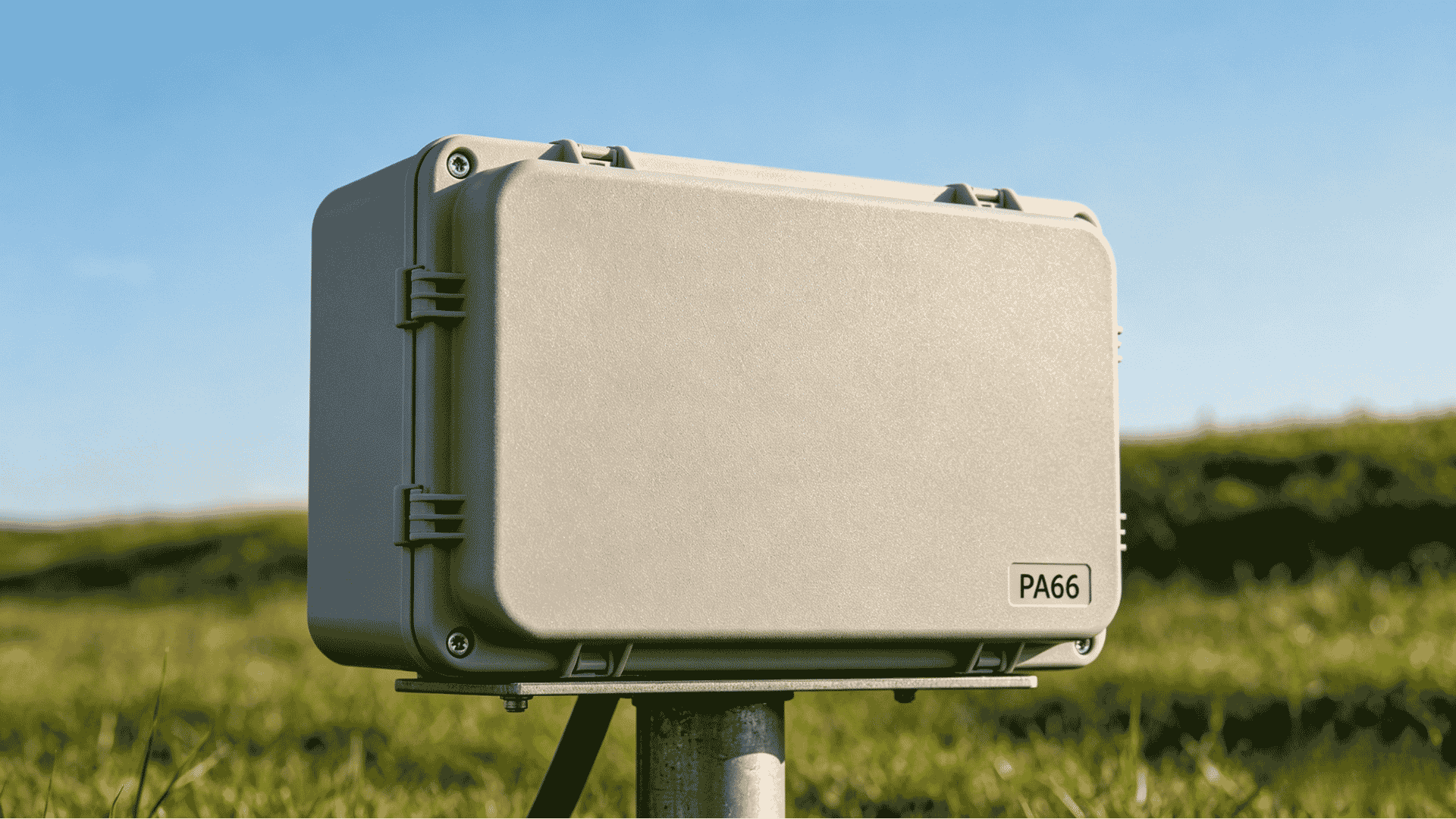
UV stabilizers are added for outdoor applications requiring resistance to sunlight degradation.
| Grade | Key Properties | Typical Applications |
|---|---|---|
| PA66 UV Stabilized | Resists discoloration and embrittlement | Outdoor electrical enclosures, solar components, automotive exterior clips |
4. Key Applications of PA66
PA66 is widely used across multiple industries due to its excellent balance of strength, heat resistance, and chemical stability.
Automotive Industry
Under-hood components requiring heat and oil resistance:
Engine covers, intake manifolds, thermostat housings
Cooling system components (with proper stabilization)
Cable ties, clips, fasteners
Transmission components
Electrical & Electronics
Components requiring flame retardancy and electrical insulation:
Connectors, relays, and sockets
Circuit breakers and switches
Coil bobbins and terminal blocks
Industrial Machinery
Moving parts requiring wear resistance and mechanical strength:
Gears, bearings, and bushings
Pump housings and impellers
Conveyor components
Consumer Goods
Durable goods requiring impact resistance and aesthetics:
Power tool housings
Sports equipment (skateboard wheels, ski bindings)
Furniture components (chair bases, casters)
5. Comparison Summary Table
| PA66 Type | Key Benefit | Best For |
|---|---|---|
| Neat PA66 | High strength, balanced properties | General-purpose mechanical parts |
| Glass-Fiber Reinforced | High stiffness, heat resistance | Structural automotive components |
| Heat-Stabilized | Long-term heat resistance | Under-hood applications |
| Impact-Modified | High toughness, cold resistance | Clips, fasteners, protective parts |
| Lubricated / Wear-Resistant | Low friction, long wear | Gears, bearings, moving parts |
| Flame-Retardant | Fire safety | Electrical connectors, relays |
| UV-Stabilized | Weather resistance | Outdoor components |
6. How to Choose the Right PA66 Grade
When selecting a PA66 grade, consider these five factors:
| Factor | Question to Ask |
|---|---|
| Mechanical load | Does the part need high strength (add GF) or high toughness (add IM)? |
| Thermal environment | Will it be exposed to continuous heat above 150°C (add HS)? |
| Wear / friction | Is the part moving against another surface (add lubricants)? |
| Fire safety | Does UL94 V-0 or V-2 rating apply (add FR)? |
| Outdoor exposure | Will it see sunlight or UV (add UV)? |
At Wohua Plastic, our technical team can help you match the exact PA66 modification to your application requirements.
Conclusion
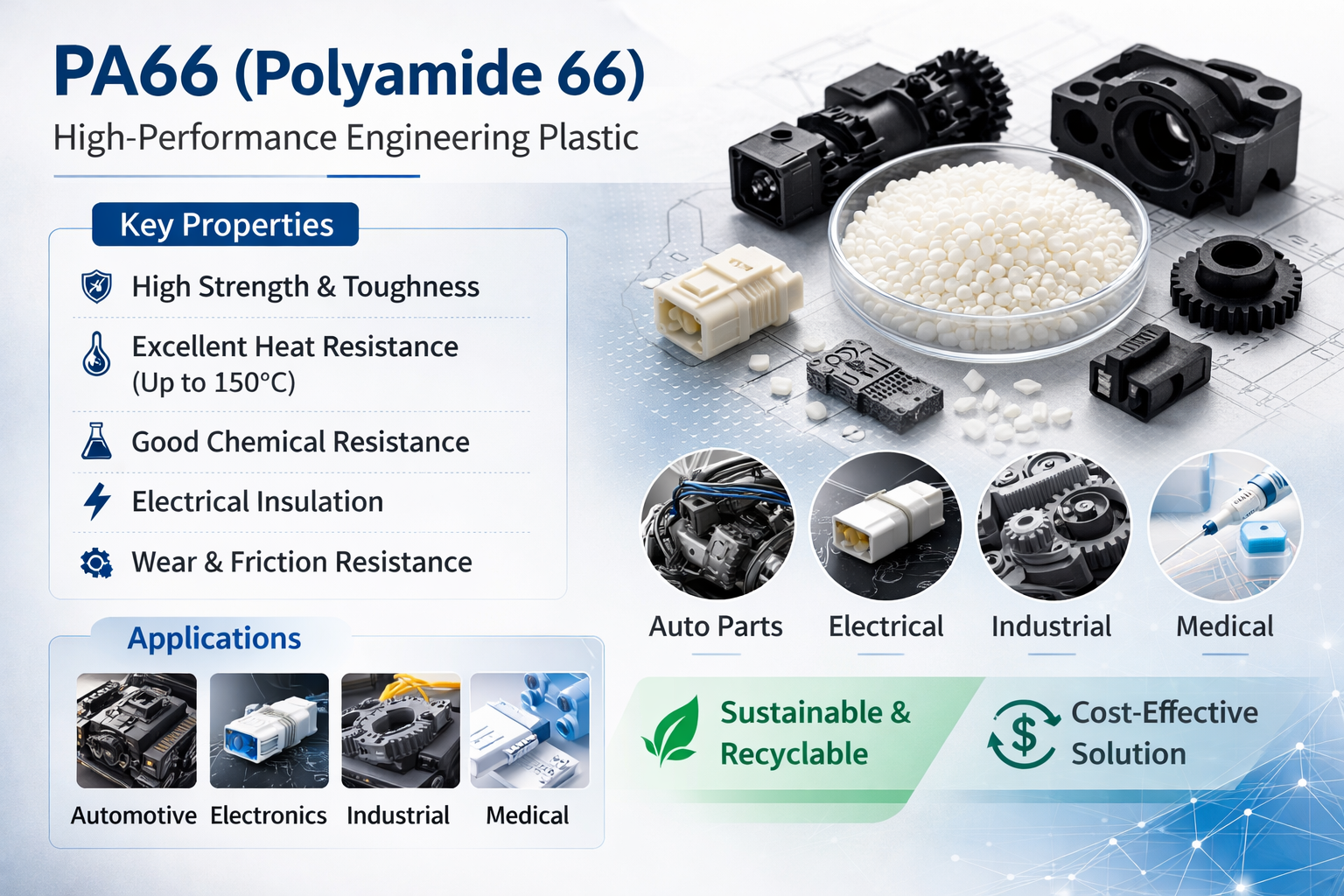
PA66 is a high-performance engineering plastic offering superior strength, heat resistance, and chemical stability compared to PA6. Available in numerous modified forms—unreinforced, glass-fiber reinforced, heat-stabilized, impact-modified, lubricated, flame-retardant, and UV-stabilized—PA66 serves critical roles in automotive, electrical, industrial, and consumer applications.
Understanding these variations allows you to optimize part performance, manufacturing efficiency, and cost.
Need PA66 material recommendations?
Contact Wohua Plastic to discuss your application or request a technical datasheet.